
Public & infrastructure6 parts
How a station runs on solar
Click any part of the station to see what it does. Switch between daylight and evening to see how the power moves.
The link may be outdated. Explore our products and EPC services, or get in touch and our team will point you in the right direction.
We design, supply, install, test and commission solar and battery systems for transport stations, public buildings, roads and remote sites across the UAE, the Middle East and Africa.
Illustration only. Every site is designed for its own needs. Tip: click any part of the station.
Click any part of the station to see what it does. Switch between daylight and evening to see how the power moves.
Panels on the station roof produce power for the lighting, cooling and systems inside. We lay them out around the roof structure, access routes and the owner's standards.
A solar canopy shades the platform and produces power at the same time. The structure is engineered for the site, and installation is planned around the station's operations.
Inverters turn the panels' DC power into AC for the station and manage the flow between solar, battery and grid. Output can be monitored remotely.
Batteries store solar power during the day for use in the evening, and can keep chosen loads running in a power cut.
Each light carries its own panel and battery, so it needs no cable to the grid. It charges during the day and switches on at dusk, which suits remote roads and sites far from the network.
The station stays connected to the grid. The meter records what the site imports and, where the local scheme allows, what it exports. We coordinate the approvals with the local authority.
We visit the site, review the roofs, canopies and electrical rooms, and study how much power the site uses and when.
Structural, electrical and safety design prepared to the asset owner's specifications and the local authority's requirements.
We prepare the submissions and coordinate the approvals and NOCs with the authority and the asset owner.
Astronergy and OSDA panels and KSTAR inverters and storage, supplied by AST as their distributor, or to the project's specification.
Work is planned around the site's operations, with method statements and safety controls agreed with the owner before we start.
Every system is tested and commissioned before handover, with documents for the owner and operation and maintenance after.
Scope and approvals vary by project. We agree them with you, your consultant and the authority at the start.
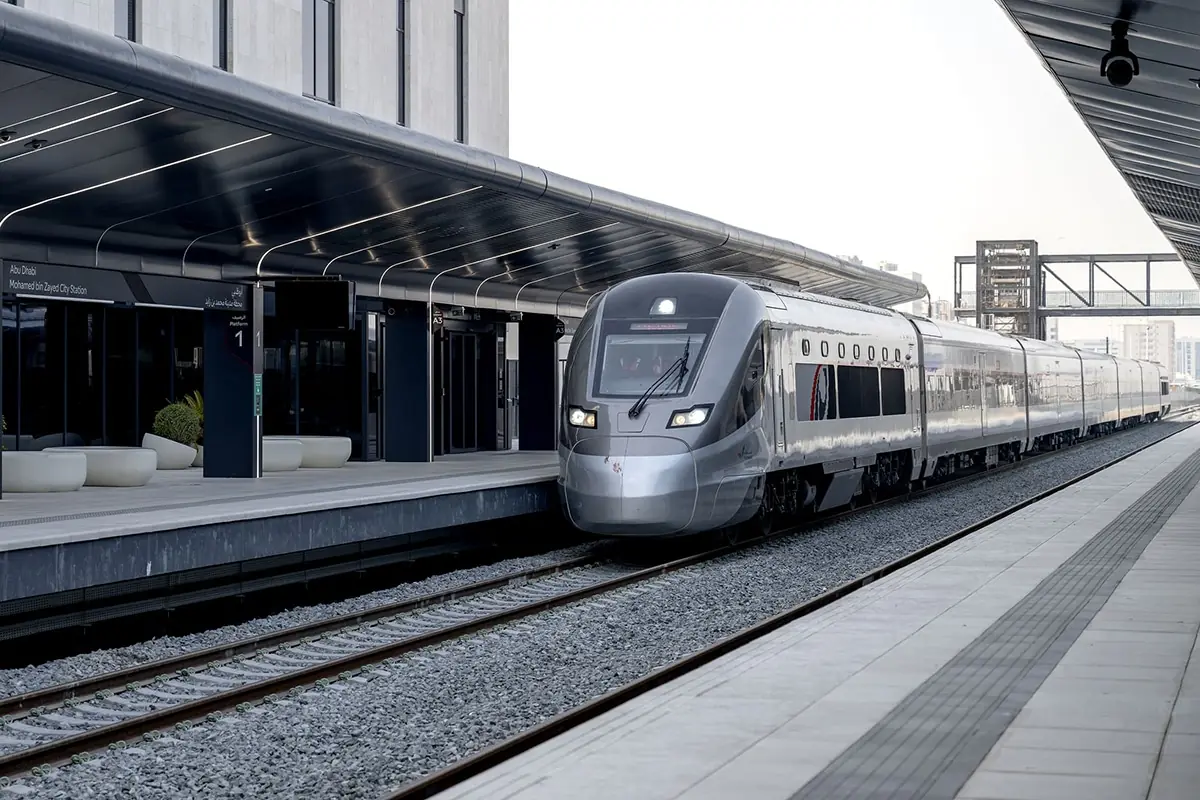
Grid-connected solar for four Etihad Rail passenger stations in Dubai, Abu Dhabi, Sharjah and Fujairah. AST delivered full EPC and provides operation and maintenance.
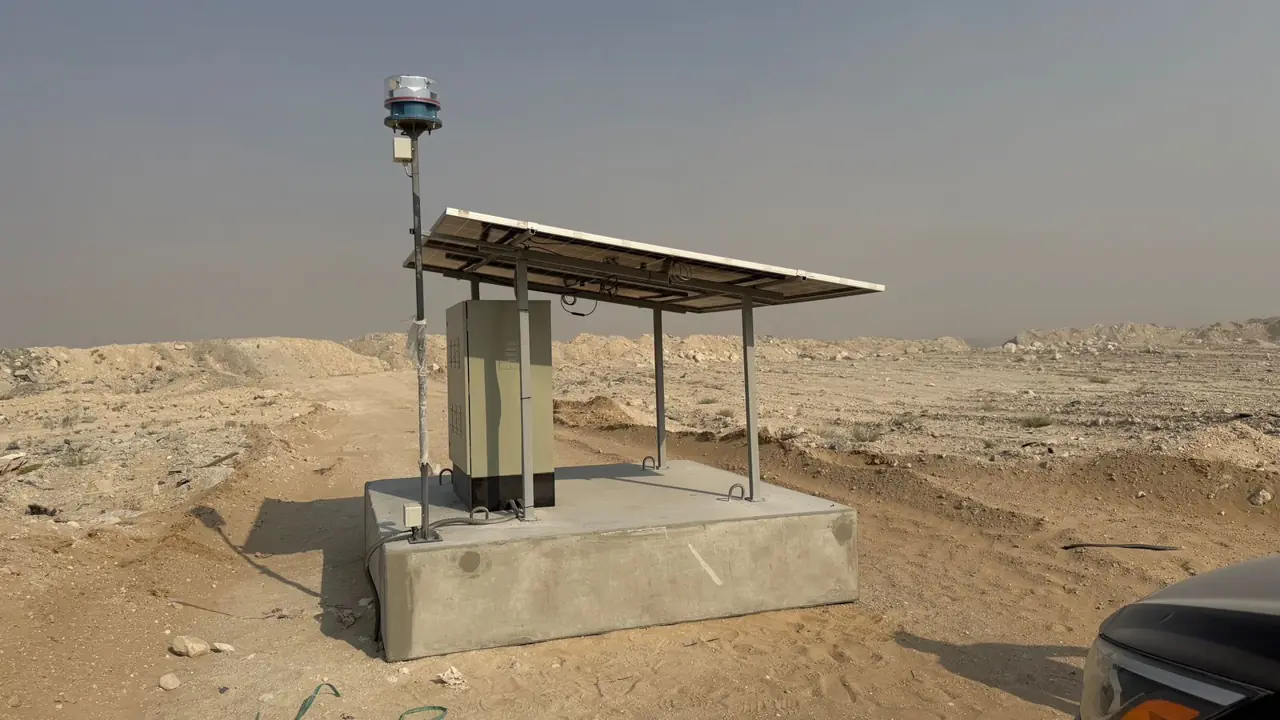
Off-grid solar lighting at four sites: engineering, procurement, installation and commissioning by AST. No grid cable needed.
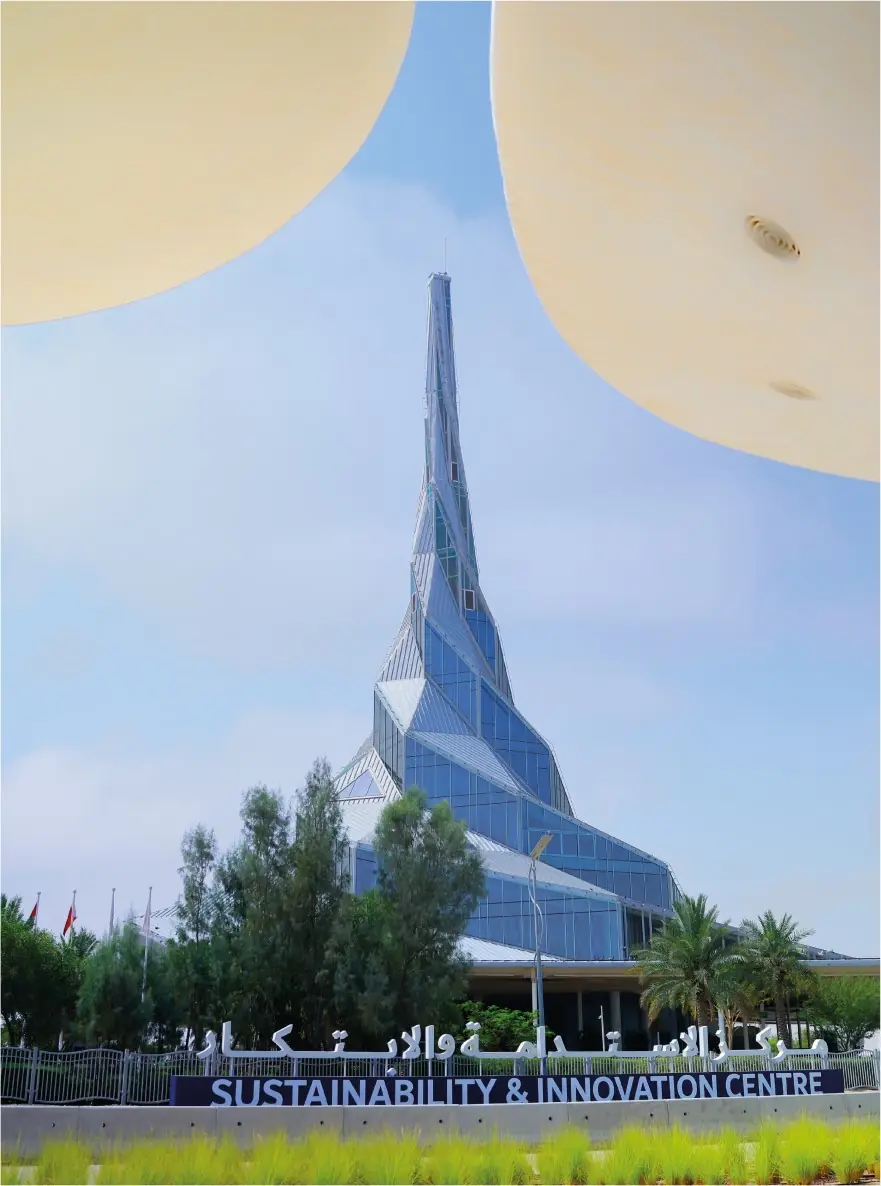
Solar project support for the Solar Innovation Center in Dubai. Scope of work: contractor services.
Yes. We plan the installation around the site's operations, agree method statements and safety controls with the owner, and phase the work where needed. The details depend on the site.
We prepare the submissions and coordinate with the authority: DEWA in Dubai, Etihad WE in the Northern Emirates and TAQA Distribution in Abu Dhabi. Requirements vary by project and by owner.
Yes. Off-grid systems with their own panels and batteries can power lighting and equipment on remote roads and sites. Our solar lighting project in the Northern Emirates works this way.
Yes. We can work directly for the asset owner or as part of a wider project team, and provide the design, documents and equipment data the consultant needs.
Yes. We offer operation and maintenance, including monitoring and preventive maintenance, so the system keeps performing. On the Etihad Rail stations we provide it today.
Send us the site location, drawings or photos of the roofs and canopies, and the scope you have in mind. Our engineers will review it and suggest the next step. We can meet online or face to face.
Send us the site and the scope. Our engineers will come back with the next step.